
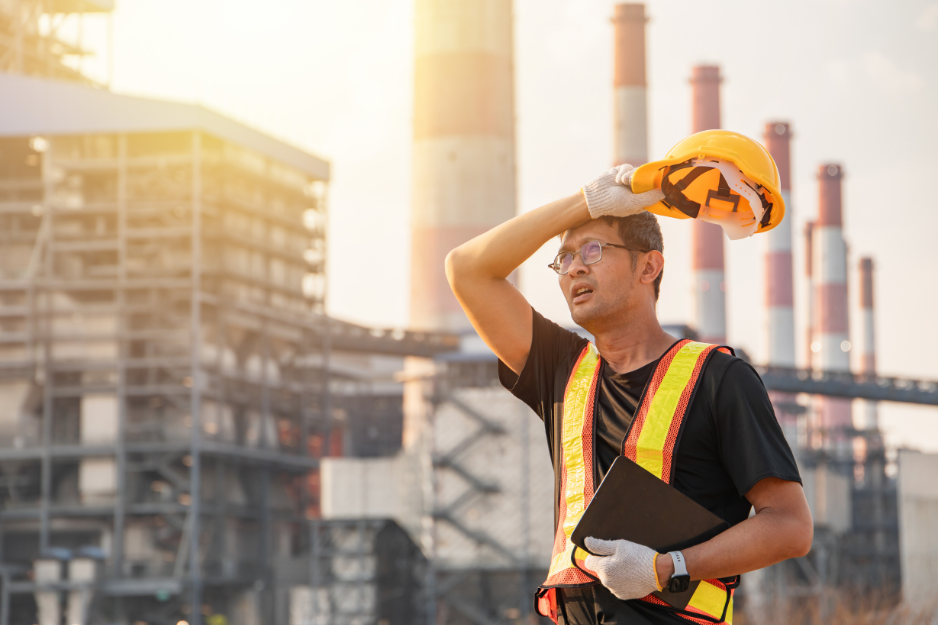
Heat Exhaustion vs. Heat Stroke: How to Tell the Difference at Work
It’s the hottest stretch of summer. On the job — whether you work outside, in a warehouse, on a factory floor, or even in a building with inconsistent air conditioning — heat can go from uncomfortable to dangerous faster than most people realize.
CDC estimates an average of 702 heat-related deaths in the United States each year (CDC, 2020). Research published in 2025 estimated that approximately 27,953 workplace injuries in 2023 were attributable to heat exposure (PMC, 2025). OSHA’s proposed federal heat standard, published in August 2024, would cover an estimated 36 million workers — a measure of how widespread the risk is.
The difference between heat exhaustion and heat stroke is the difference between a break in the shade and a trip to the emergency room. Knowing how to tell them apart — in yourself and in the person working next to you — is one of the most practical safety skills you can have during summer months.
Heat Exhaustion vs. Heat Stroke: The Critical Differences
These two conditions are on the same spectrum, but they require very different responses. The table below summarizes the recognized signs based on CDC and NIOSH guidance.
| Heat Exhaustion | Heat Stroke | |
| What’s happening | The body is overheating but still attempting to cool itself through sweating | The body’s temperature regulation has failed. It can no longer cool itself. |
| Skin | Cool, clammy, pale, sweating heavily | Hot, red, and often dry (sweating may have stopped) |
| Body temperature | May be elevated, but typically below 104°F | 106°F or higher. Can rise to dangerous levels within 10–15 minutes (CDC). |
| Mental state | May feel dizzy, lightheaded, or weak. Still oriented. | Confusion, disorientation, slurred speech, irritability. May lose consciousness. |
| Pulse | Weak, fast | Strong, pounding, rapid |
| Other signs | Headache, nausea, muscle cramps, heavy sweating, fatigue | Throbbing headache, nausea/vomiting, seizures possible |
| Severity | Warning sign — the body is telling you to stop and cool down | Medical emergency — can cause permanent organ damage or death if untreated |
| Response | Move to shade or AC. Loosen clothing. Sip cool water. Rest. Apply cool cloths. | Call 911 immediately. Move person to a cool area. Lower body temperature with water or cold cloths. Do NOT give fluids if the person is confused or unconscious. |
Heat Exhaustion: Your Body’s Warning Flag
Heat exhaustion is the body’s signal that it’s working harder than it can sustain to keep you cool. The sweating is actually the evidence that the cooling system is still functioning — it’s just overwhelmed.
Recognized signs (CDC, NIOSH):
- Heavy sweating
- Cool, clammy, or pale skin
- Dizziness or lightheadedness
- Headache
- Nausea or vomiting
- Muscle cramps
- Weakness or fatigue
- Fast, weak pulse
What to do (per CDC guidance):
- Stop working and move to a cool, shaded, or air-conditioned area
- Loosen or remove excess clothing
- Sip cool water — small amounts, steadily
- Apply cool, wet cloths to the skin or take a cool shower if available
- Rest until symptoms improve
Most people recover from heat exhaustion with rest, shade, and fluids. But heat exhaustion that isn’t addressed can progress to heat stroke. If symptoms persist for more than an hour or worsen, CDC recommends seeking medical attention.
Heat Stroke: A Medical Emergency
Heat stroke is what happens when the body’s cooling system fails entirely. The signs look different from exhaustion — and recognizing the difference quickly can be life-saving.
CDC identifies heat stroke as the most serious heat-related illness. Body temperature can rise to 106°F or higher within 10 to 15 minutes. Without emergency treatment, heat stroke can cause permanent disability or death (NIOSH).
Recognized signs (CDC, NIOSH):
- Hot, red skin that may be dry (sweating may have stopped)
- Very high body temperature (106°F or above)
- Fast, strong, pounding pulse
- Confusion, disorientation, or slurred speech
- Loss of consciousness or fainting
- Throbbing headache
- Nausea or vomiting
- Seizures (in severe cases)
What to do (per CDC guidance):
- Call 911 immediately. Heat stroke is a medical emergency. Do not wait to see if symptoms improve.
- Move the person to a cool area — shade, air conditioning, or indoors
- Lower body temperature as quickly as possible: apply cold water, wet cloths, or ice packs to the neck, armpits, and groin
- Do NOT give fluids if the person is confused or unconscious — there is a choking risk
- Stay with the person until emergency services arrive
Key distinction: the absence of sweating in someone who is hot and confused is a critical warning sign. It indicates the body’s temperature regulation has failed. This is the signal that separates heat stroke from heat exhaustion — and it requires immediate emergency response.
Who’s Most at Risk at Work
Heat illness can affect anyone, but certain workplace conditions and individual factors increase risk significantly.
High-Risk Work Settings
- Outdoor work during summer: construction, agriculture, landscaping, roofing, utilities
- Indoor environments without adequate cooling: warehouses, kitchens, manufacturing floors, laundries
- Work involving heavy physical exertion, especially in protective clothing or PPE
- Enclosed spaces with heat-generating equipment: server rooms, boiler rooms, bakeries
An OSHA analysis of heat-related enforcement investigations found that 80% of heat-related fatalities occurred in outdoor work environments, while 61% of non-fatal heat-related illness cases occurred during or after indoor work (OSHA/Tustin et al., 2018). Both settings carry meaningful risk.
Individual Risk Factors
CDC and NIOSH identify several factors that can increase an individual’s vulnerability to heat illness: not being acclimated to hot conditions (particularly in the first few days of a heat wave or a new job), dehydration, certain medications that affect heat regulation, previous heat illness, and underlying health conditions. Workers returning from vacation, illness, or extended time away from hot environments are at elevated risk because their heat acclimatization has diminished.
Prevention: What Works Before Heat Illness Starts
Heat illness is preventable. OSHA’s heat safety guidance centers on three words: water, rest, shade. The details behind each one matter.
| Prevention Strategy | What It Involves | Why It Matters |
| Hydrate before you’re thirsty | Drink cool water every 15–20 minutes during heat exposure. Don’t wait for thirst — thirst is a lagging indicator of dehydration. | By the time you feel thirsty, you’re already partially dehydrated. Consistent hydration maintains the body’s ability to cool through sweating. |
| Take scheduled rest breaks | Rest in shade or air conditioning at regular intervals, not just when symptoms appear. Increase break frequency as heat index rises. | Short, frequent breaks in cool environments allow the body to recover before heat stress accumulates to dangerous levels. |
| Use shade and cooling | Work in shaded areas when possible. Use cooling towels, misting stations, or fans where available. | Direct sun exposure can increase the heat index by up to 15°F (OSHA). Shade alone meaningfully reduces heat load. |
| Acclimate gradually | New workers and those returning from time away need a gradual buildup over 7–14 days, starting at lower intensity and increasing gradually. | OSHA data shows that many heat-related fatalities occur in the first few days of working in hot conditions. Acclimatization is one of the most effective prevention measures. |
| Dress for heat | Lightweight, light-colored, loose-fitting clothing. Hats with brims for outdoor work. | Dark, heavy, or tight clothing traps heat. PPE requirements may require additional cooling measures to compensate. |
| Watch your coworkers | Monitor colleagues for early signs of heat illness. People experiencing heat exhaustion may not recognize it in themselves. | Heat illness often shows in someone else before they feel it themselves. A buddy system is a well-established safety practice. |
OSHA’s proposed federal heat standard, published in August 2024, would require employers to implement specific protective measures when the heat index reaches 80°F, with additional controls at 90°F. While the standard is still in the rulemaking process, the underlying guidance — water, rest, shade, acclimatization, and monitoring — represents established safety practice that applies regardless of whether a federal standard is finalized.
What Employers Can Do Now
Organizations with workers exposed to heat — outdoors or indoors — can take several steps that align with current OSHA guidance and proposed requirements.
- Establish a heat illness prevention plan. OSHA recommends a written plan that includes hydration protocols, rest break schedules, shade or cooling access, acclimatization procedures, and emergency response steps.
- Train workers and supervisors. Workers need to know the signs of heat exhaustion and heat stroke, and supervisors need to know how to respond. Training is most effective when delivered before the heat season begins and reinforced through the summer.
- Monitor conditions. Track heat index or wet-bulb globe temperature (WBGT) at the worksite. Adjust work intensity, break frequency, and PPE requirements as conditions change throughout the day.
- Have an emergency response plan. Ensure that every work crew knows how to call for emergency help, where the nearest cooling area is, and how to begin lowering someone’s body temperature while waiting for medical assistance.
- Support acclimatization. Schedule new workers and returning workers on a gradual ramp-up over 7–14 days. This single measure addresses one of the highest-risk windows for heat-related fatalities.
The Bottom Line
Heat exhaustion and heat stroke are on the same spectrum, but they require very different responses. Exhaustion is a warning. Stroke is an emergency. The distinction — sweating and weak versus hot, confused, and not sweating — is simple enough to remember in the moment, and knowing it can change outcomes.
Prevention is more effective than response. Drink before you’re thirsty. Take breaks before you need them. Acclimate gradually after time away. And watch the people working around you — because heat illness often becomes visible in someone else before they recognize it in themselves.
Stay cool out there.
Frequently Asked Questions
What is the difference between heat exhaustion and heat stroke?
Heat exhaustion is a warning: the body is overheating but still attempting to cool itself through sweating. Signs include heavy sweating, cool clammy skin, dizziness, and nausea. Heat stroke is a medical emergency: the body’s cooling system has failed. Signs include hot, dry skin, confusion, rapid pulse, and potential loss of consciousness. Heat stroke requires an immediate 911 call.
When is heat illness a 911 emergency?
Heat stroke is a 911 emergency. Key signs: hot, red skin that may be dry (not sweating); confusion, disorientation, or slurred speech; very high body temperature; loss of consciousness. CDC notes that body temperature can reach 106°F or higher within 10–15 minutes during heat stroke. Do not wait to see if symptoms improve.
How can I prevent heat illness at work?
OSHA’s guidance centers on water, rest, and shade: drink cool water every 15–20 minutes, take scheduled rest breaks in cool areas, and use shade when available. Acclimate gradually when starting work in hot conditions. Monitor coworkers for early signs. Wear lightweight, light-colored, loose-fitting clothing.
How many workers are affected by heat illness each year?
CDC estimates an average of 702 heat-related deaths annually in the United States (2004–2018). Research published in 2025 estimated approximately 27,953 workplace injuries in 2023 were attributable to heat exposure. OSHA’s proposed heat standard would cover an estimated 36 million workers.
Are indoor workers at risk for heat illness?
Yes. OSHA data shows that 61% of non-fatal heat-related illness cases occurred during or after indoor work (Tustin et al., 2018). Warehouses, kitchens, manufacturing floors, laundries, and any indoor space without adequate cooling can produce dangerous heat conditions, especially during heat waves.
Key Takeaways
- Heat exhaustion is a warning (body still cooling itself). Heat stroke is an emergency (cooling system has failed). Knowing the difference is a critical workplace safety skill.
- The simple rule: sweating and weak = exhaustion (rest, shade, fluids). Hot, confused, not sweating = stroke (call 911 immediately).
- CDC estimates 702 average annual heat-related deaths in the U.S. Research estimates approximately 27,953 workplace heat injuries in 2023 alone.
- Prevention works: water every 15–20 minutes, scheduled rest breaks, shade access, and gradual acclimatization over 7–14 days for new and returning workers.
- Watch your coworkers. Heat illness often shows in someone else before they recognize it in themselves. A buddy system is a well-established safety practice.
- Both outdoor and indoor workers are at risk. 80% of heat fatalities occur outdoors, but 61% of non-fatal cases occur indoors (OSHA).
Published by LifeX Research Corp.LifeX Research Corporation is a health data research organization that analyzes real-world health trends, behavioral signals, and population health patterns. The organization operates in connection with an ERISA-governed, self-funded employee benefit plan and does not sell, market, broker, or underwrite health insurance