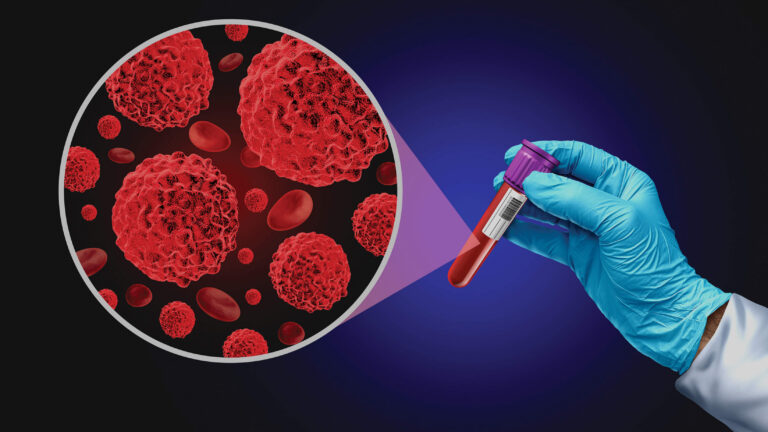

Longevity is shifting from “years lived” to “years lived well.” Here are the trends shaping healthspan research.
What is predictive health analytics?
Predictive health analytics examines trends across time. It does not diagnose conditions or recommend treatment.
Instead, it studies how variables such as sleep, stress, activity, and health history interact. When these patterns repeat across large groups, they may provide insight into population-level health and wellness trends.
This approach is already familiar in population health research.Applied to workforce data, it may help organizations better understand workforce wellness patterns over time. For a deeper explanation of this research model, see LifeX’s work on predictive analytics in workplace wellness.
Key applications for employee wellness
Workforce wellness patterns often develop gradually. Predictive models help identify changes in population-level trends over time.
Common areas of study include:
- Fatigue patterns associated with workforce wellness trends
- Sleep patterns studied alongside wellness-related factors
- Metabolic trends studied in population health research
These signals rarely act alone. LifeX Research analysis shows they often move together. Recognizing these relationships helps organizations understand risk trends without labeling individuals.
This same pattern-based approach appears in broader population health analytics research, where early awareness supports smarter planning.
Ethical data practices at LifeX
- Predictive insight depends on trust.
- LifeX Research relies on voluntary participation from Research Associates. Data is de-identified and analyzed at the population level. Individual outcomes are not tracked, sold, or acted upon.
- LifeX Research Corporation operates in connection with an ERISA-governed, self-funded employee benefit plan and does not sell, market, broker, or underwrite health insurance.
- This structure allows research to remain observational. No benefits are promised. No coverage decisions are influenced. The focus stays on learning.
- Organizations interested in ethical frameworks can explore LifeX guidance on patient data privacy in clinical research.
Real-world impact and ROI
Predictive health analytics does not aim for immediate fixes. Its value appears over time. Organizations using research-driven insight report clearer visibility into workforce trends. That visibility may support:
- Better resource planning
- Earlier policy discussions
- Greater awareness of workforce wellness trends
Rather than reacting to claims data after the fact, leaders gain context earlier. This shift supports steadier decisions and fewer abrupt changes.
The value is often evaluated through workforce trend analysis and planning insights.
Getting started with LifeX tools
- Engagement with LifeX Research begins with participation.
- Organizations contribute anonymized data through structured research programs. Over time, that data supports research examining workforce wellness patterns and population-level trends.
- LifeX Research does not provide medical advice, treatment, or insurance services. Its role is analytical.
- For organizations evaluating long-term workforce health trends, this research-first approach offers clarity without overreach.
Check marks example
Predictive health and traditional insurance serve fundamentally different but complementary purposes in supporting employee wellbeing:
- Traditional insurance provides financial protection and pays for treatment after illness occurs
- Predictive health uses preventive health analytics to identify early health patternsbefore disease develops
- Organizations continue exploring how early awareness of health-related patterns may support wellness planning efforts
- Predictive health cannot replace insurance — both tools are necessary for comprehensive health support
- Privacy protections, regulatory compliance, and equitable access are essential for responsible predictive health programs
- The future may involve greater interaction between health analytics research and traditional healthcare systems.
Quote example:
- LifeX Research Corporation operates in connection with an ERISA-governed, self-funded employee benefit plan and does not sell, market, broker, or underwrite health insurance.
- This structure allows research to remain observational. No benefits are promised. No coverage decisions are influenced. The focus stays on learning.
- Organizations interested in ethical frameworks can explore LifeX guidance on patient data privacy in clinical research.
Wrapping up
Predictive health analytics changes how workforce risk is understood.
Organizations may gain additional insight into workforce wellness patterns and population-level trends over time. That insight supports planning, not prediction guarantees.
LifeX Research continues to study how ethical data use can inform healthier systems without crossing into care delivery.
Better information does not solve everything.But it does make uncertainty easier to manage.
LifeX Research Corporation is a health data research organization that analyzes real-world health trends, behavioral signals, and population health patterns. The organization operates in connection with an ERISA-governed, self-funded employee benefit plan and does not sell, market, broker, or underwrite health insurance.