
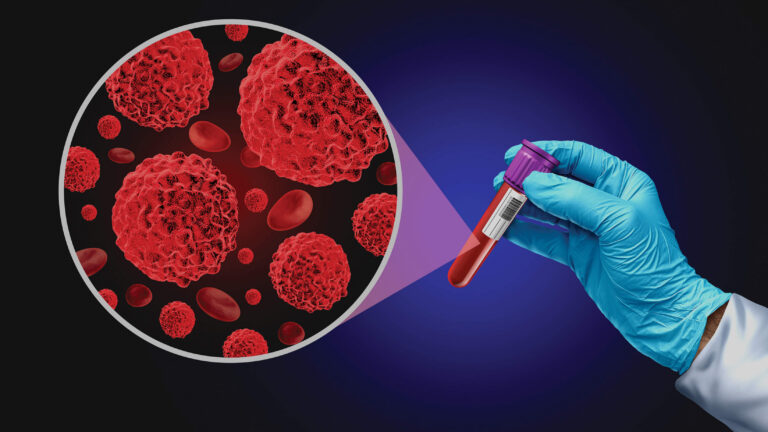
How Biomarkers Support Predictive Health Research
Ever wondered why some people get an early warning on health risks while others don’t? I did, until I started looking at biomarkers. Things like blood glucose, heart-rate variability, and sleep cycles suddenly started telling me a story my body had been hinting at all along. In predictive health research, biomarkers aren’t just numbers—they’re signals.They help researchers study patterns associated with health and wellness trends over time.
Here’s what you’ll see in this post:
- How biomarkers give a real-time picture of your body
- Why researchers use them to predict health risks
- The connection between everyday tracking and large-scale studies
- Privacy and consent when sharing personal data
- My take on how biomarkers are shaping healthcare
Seeing Your Body in Real Time
A biomarker is any measurable sign of a biological process. Blood glucose, oxygen saturation, stress hormones, and even sleep patterns count. I like thinking of them as “body metrics” because that’s exactly what they are.
The beauty is immediacy. Instead of waiting for symptoms to show up, you can spot shifts as they happen. For example, my resting heart rate spikes slightly on days I skip breakfast or sit through long meetings. Those tiny changes might not be obvious to me, but when tracked over time, they tell a story.
Researchers love this kind of data. When thousands of people log similar patterns, trends emerge months or even years before someone ends up in the hospital. That’s predictive research in action.
Studying Health Patterns Through Biomarker Research
This is where biomarkers really shine. Predictive health research looks at patterns across multiple markers to forecast potential risks. For instance, certain combinations of rising blood pressure, sleep disruption, and stress hormones can indicate a higher risk for cardiovascular issues.
I’ve noticed it in my own data. A few weeks of poor sleep nudged my resting heart rate higher than usual. Predictive models would flag that as a risk factor, giving me a chance to adjust before it became a real problem.
It’s not fortune-telling’s probability grounded in hard numbers. That shift from reactive to proactive care is exactly why I find predictive research so exciting. It’s about studying patterns and trends that may contribute to health research.
From the Lab to Everyday Life
Not long ago, biomarkers required a lab visit, a blood draw, and a stack of forms. Today, much of the same data comes from wearables and home devices. I check my oxygen levels at my desk, and my friend logs her blood glucose after meals.
This shift allows researchers to collect and analyze more real-world data. Real-world tracking generates insights far faster than periodic lab visits. And, if you’ve checked out my post on better understanding your body through data, you’ll see how small, immediate feedback loops can nudge healthier habits. Biomarkers take that idea further, showing results almost instantly and giving researchers a rich dataset to analyze.
Why Context Matters
One thing I’ve learned is that a single biomarker reading rarely tells the full story. My heart rate spikes after coffee, but that doesn’t mean I’m stressed. Researchers address this by looking at patterns over time and combining multiple markers.
I do the same personally. I track weekly averages rather than obsess over every blip. It keeps the data useful and prevents what I call “numbers anxiety.” Biomarkers are meant for awareness, not self-punishment.
Privacy and Consent
Biomarker data is personal. It can reveal conditions you haven’t shared with anyone yet. Every time I share mine with a platform or a study, I check the privacy policy carefully. Encryption, anonymization, and opt-out options are non-negotiable.
Predictive health research is only ethical when participants know how their data is used. New regulations in 2025 will make consent more transparent and data storage safer, which is a win for everyone who wants the benefits without losing control.
How Biomarkers Are Changing Health Care
Traditionally, healthcare has been reactive: you visit the doctor when something goes wrong, tests are run, and treatments begin. Biomarkers provide researchers with additional information about biological processes. They may support research into population-level health patterns and wellness trends.
I’ve seen this in practice.Some individuals use health tracking information to discuss lifestyle choices with qualified healthcare professionals.. Multiply that across populations, and you get a healthcare shift that could reduce chronic disease at scale.
Frequently Asked Questions
What is a biomarker?
A biomarker is a measurable indicator of a biological process, such as blood glucose levels, heart rate, blood pressure, or sleep patterns.
Why are biomarkers important in health research?
Researchers use biomarkers to study health trends, identify patterns, and better understand how different factors may influence long-term wellness.
Can biomarkers predict disease?
Biomarkers do not predict disease with certainty. However, researchers may use biomarker patterns to study associations with potential health risks.
Are wearable devices considered biomarker tools?
Some wearable devices collect data such as heart rate, activity levels, sleep patterns, and recovery metrics that may be used in health and wellness research.
How is biomarker data protected?
Protection methods vary by organization but may include de-identification, encryption, access controls, and informed consent procedures.
Does LifeX Research provide medical advice based on biomarker data?
No. LifeX Research does not provide medical advice, diagnosis, or treatment. Its work focuses on research and population-level health analysis.
My Takeaway
Biomarkers have gone from obscure lab tests to essential tools in my daily life and predictive research. They make invisible changes visible, guiding prevention and supporting health research and population-level analysis.
Used thoughtfully, they empower both individuals and researchers. Misused, they can overwhelm or invade privacy. The key is to track intelligently, focus on patterns instead of isolated numbers, and always keep consent front and center.
I believe the next decade will make biomarker tracking as common as checking your email. And yes, I still chuckle when my app tells me I’m stressed while I’m quietly sipping coffee. Sometimes predictive tools have a flair for drama—but they also keep me one step ahead.
LifeX Research Corporation is a health data research organization that analyzes real-world health trends, behavioral signals, and population health patterns. The organization operates in connection with an ERISA-governed, self-funded employee benefit plan and does not sell, market, broker, or underwrite health insurance.