
Data-Informed Wellness Habits and Performance Trends in 2026
Interest in personal wellness, performance, and healthy lifestyle habits continues to grow as people seek better ways to understand how daily choices may influence overall wellbeing.
At the same time, advances in digital tools, wearable technology, and wellness research have made it easier to observe patterns related to sleep, activity, recovery, and other lifestyle factors.
Rather than focusing on extreme approaches, many individuals are now exploring practical, evidence-informed strategies that support long-term wellbeing and consistency.
What You’ll Learn
- Why interest in data-informed wellness continues to grow
- Common lifestyle factors associated with wellbeing and performance
- How wellness research contributes to a better understanding of health behaviors
- The role of observation and long-term trend analysis
- Emerging wellness trends shaping 2026
Why Data-Informed Wellness Is Growing
People today have access to more wellness information than ever before.
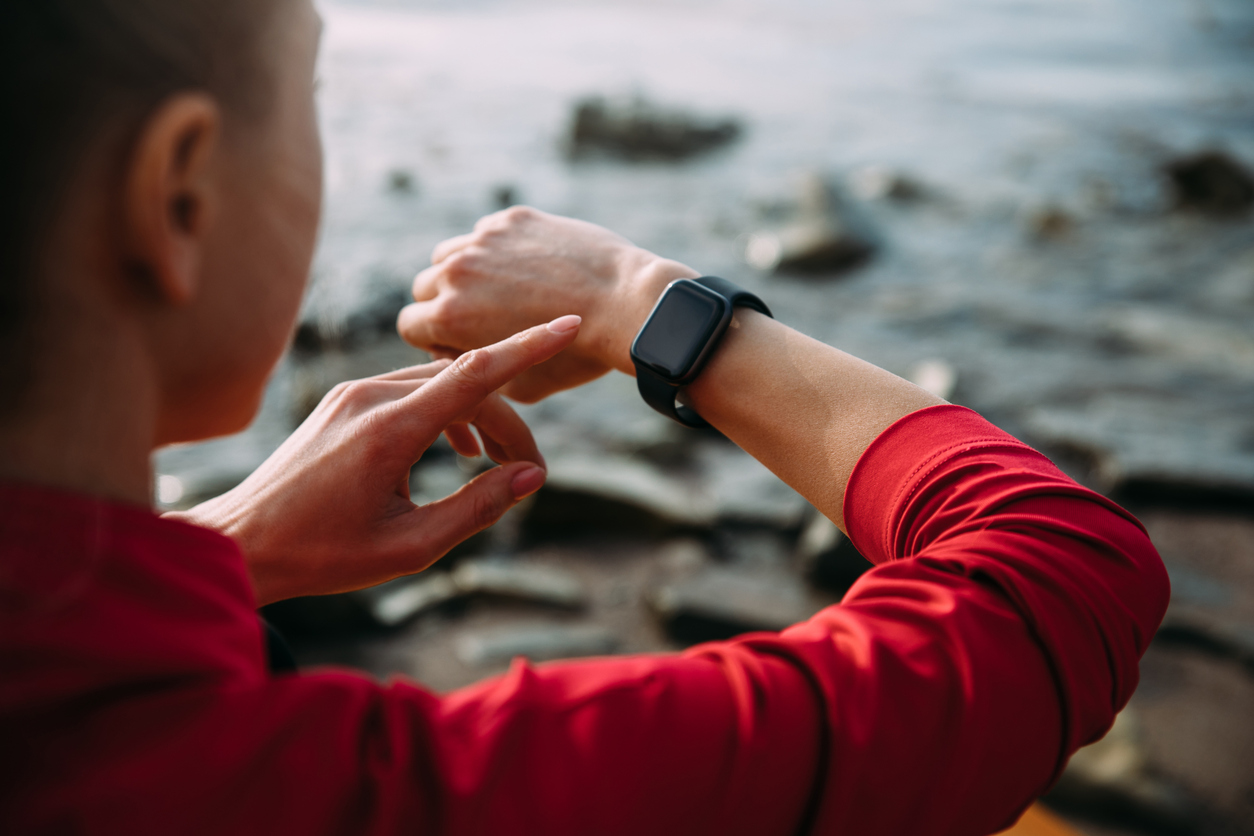
Wearable devices, wellness apps, activity trackers, and other digital tools allow individuals to observe patterns related to their daily routines and behaviors.
As a result, many people are becoming more interested in understanding potential relationships between lifestyle habits and overall wellbeing over time..
The focus is increasingly shifting from assumptions toward observation and self-awareness.
The Value of Long-Term Pattern Observation
One of the most important lessons from wellness research is that individual data points often provide limited context.
Meaningful insights are typically found through long-term observation of patterns and trends rather than isolated measurements.
Researchers frequently study factors such as:
- Sleep habits
- Physical activity patterns
- Daily routines
- Stress-related behaviors
- Work and lifestyle factors
Examining these trends over time may help researchers better understand relationships between behaviors and broader wellness patterns.
Common Wellness Factors People Track
Many individuals choose to monitor aspects of their daily routines to better understand personal habits and consistency.
Common areas of interest include:
Sleep Patterns
Many people track sleep timing and duration as part of broader wellness monitoring efforts.
Physical Activity
Activity levels remain one of the most widely observed lifestyle indicators.
Daily Routines
Consistent routines are frequently studied in relation to wellbeing and productivity.
Work-Life Balance
Researchers continue to explore how work schedules and lifestyle behaviors influence overall wellness experiences.
The Role of Wellness Research
Research organizations help expand understanding of how lifestyle factors may influence wellbeing across larger populations.
LifeX Research studies aggregated wellness information to explore patterns related to health behaviors, workplace wellness, and long-term wellbeing trends.
This research-centered approach focuses on observation, analysis, and education rather than diagnosis, treatment, medical services, or performance coaching.
Emerging Trends in 2026
Several trends continue to influence the wellness landscape:
Greater Use of Wellness Technology
Digital tools are helping individuals better understand their routines and habits.
Increased Interest in Personal Data
People are becoming more interested in tracking and understanding lifestyle behaviors over time.
Long-Term Wellness Planning
The conversation is increasingly focused on sustainable habits rather than short-term solutions.
Research-Informed Decision Making
Individuals and organizations are showing greater interest in evidence-informed wellness strategies.
Privacy and Transparency
As data collection expands, privacy, transparency, and responsible data use remain important priorities.
A More Practical Approach to Wellness
Modern wellness approaches are increasingly moving away from extreme routines and toward consistency, awareness, and long-term habit development.
Rather than focusing on shortcuts, many individuals are seeking practical ways to better understand their behaviors and make informed decisions based on observation and experience.
This shift reflects growing interest in sustainable wellness practices that individuals may be able to maintain over time.
Final Thoughts
The future of wellness is becoming more data-informed, research-focused, and centered on long-term understanding rather than quick fixes.
As technology and wellness research continue to evolve, individuals and organizations will have more opportunities to learn from patterns, evaluate habits, and make informed decisions that support overall wellbeing.
LifeX Research contributes to this conversation by studying population-level wellness trends and helping expand understanding of how everyday behaviors relate to broader wellness experiences.
Disclaimer: LifeX Research Corporation is a health data research organization that analyzes real-world health trends, behavioral signals, and population health patterns. The organization operates in connection with an ERISA-governed, self-funded employee benefit plan and does not sell, market, broker, or underwrite health insurance.