
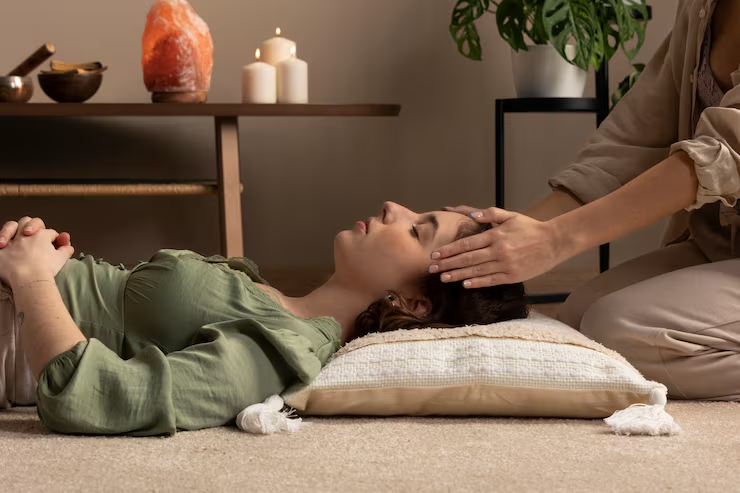
Understanding Somatic Wellness and Stress Patterns Through Data in 2026
Stress often appears gradually rather than all at once. Changes in sleep habits, activity levels, recovery patterns, and daily routines may be associated with periods of increased stress or strain.
As interest in wellness continues to grow, researchers are exploring how physical and behavioral patterns contribute to overall wellbeing. This area of study is often referred to as somatic wellness, which focuses on the connection between physical experiences and everyday health patterns.
LifeX Research studies these trends through voluntary participant data, helping researchers better understand how stress, recovery, and resilience may develop across populations over time.
What This Article Covers
- Why somatic wellness is receiving more attention in 2026
- How researchers study physical wellness patterns
- Common body-based wellness practices explored in research
- The relationship between stress, recovery, and resilience
- How LifeX Research contributes to wellness research
Growing Interest in Somatic Wellness
Interest in body-based wellness practices has increased as individuals seek greater awareness of how daily habits influence overall wellbeing.
Researchers continue to explore factors such as:
- Sleep consistency
- Physical activity patterns
- Breathing habits
- Daily recovery routines
- Self-reported stress experiences
These observations may help researchers better understand how lifestyle behaviors relate to broader wellness trends across different populations.
Rather than focusing solely on symptoms or treatment, many wellness studies examine how everyday experiences influence long-term wellbeing.
How Data Supports Wellness Research
Modern wellness research increasingly relies on longitudinal data, information collected over extended periods of time.
By examining patterns across larger populations, researchers can identify recurring relationships between lifestyle behaviors and wellness experiences.
LifeX Research studies trends involving:
- Sleep behaviors
- Activity patterns
- Recovery metrics
- Self-reported wellness indicators
- General lifestyle habits
The focus is not on diagnosing or treating individuals. Instead, researchers analyze broader population-level patterns that may contribute to understanding health and wellness experiences.
Common Wellness Practices Explored in Research
Many wellness studies examine simple, repeatable habits that people incorporate into daily life.
Areas frequently explored include:
Consistent Sleep Routines
Regular sleep schedules remain a common topic in wellness research because they influence many aspects of daily functioning.
Physical Activity
Walking, mobility exercises, and other forms of movement are frequently included in population wellness studies.
Recovery and Relaxation Practices
Researchers also study how individuals incorporate relaxation, recovery, and mindfulness-oriented activities into their routines.
The emphasis remains on observing behavioral patterns rather than evaluating treatment outcomes.
Understanding Stress and Recovery Patterns
Stress and recovery experiences vary considerably between individuals.
Some people adapt quickly to demanding periods, while others may require additional recovery time. Researchers continue studying these differences to better understand resilience and overall wellbeing.
LifeX Research examines how these patterns appear across larger groups, helping identify trends that may contribute to future wellness research and educational initiatives.
Ethical Research and Participant Privacy
LifeX Research operates as a wellness research organization and follows strict standards regarding participant privacy.
Key principles include:
- Voluntary participation
- Data anonymization
- Transparent research practices
- Respect for participant autonomy
The organization does not provide mental health treatment, medical care, diagnosis, or therapeutic services.
Its role is limited to wellness research, data analysis, and educational insight generation.
Final Thoughts
Somatic wellness research continues to expand as researchers seek a deeper understanding of how daily habits, recovery patterns, and lifestyle behaviors influence overall wellbeing.
Through voluntary participation and responsible data analysis, organizations such as LifeX Research contribute to a growing body of knowledge surrounding stress, resilience, and wellness trends.
As research evolves, data-informed approaches may contribute to a better understanding of population-level wellness patterns while maintaining strong ethical and privacy standards while maintaining strong ethical and privacy standards.
Disclaimer: LifeX Research Corporation is a health data research organization that analyzes real-world health trends, behavioral signals, and population health patterns. The organization operates in connection with an ERISA-governed, self-funded employee benefit plan and does not sell, market, broker, or underwrite health insurance.