
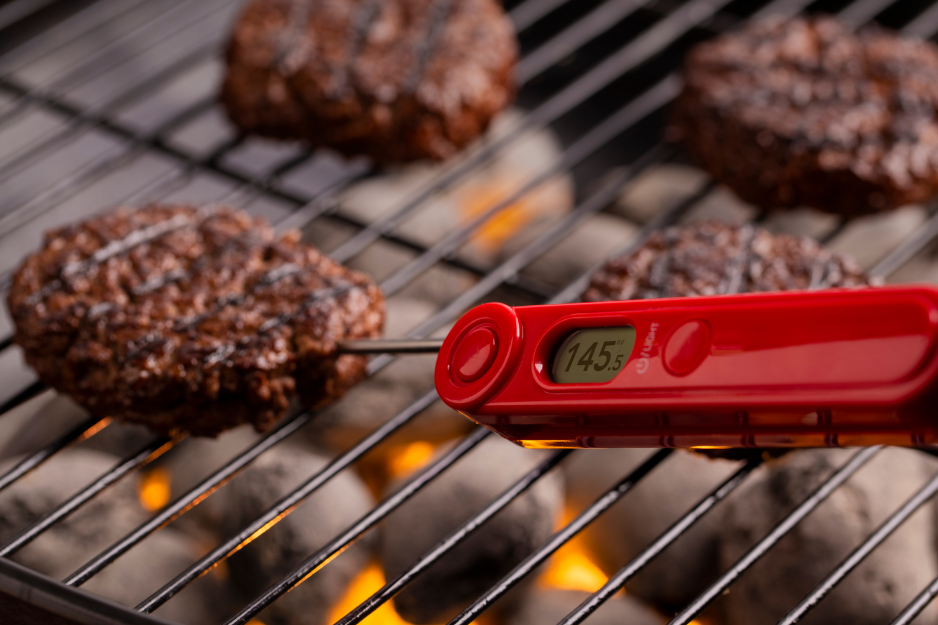
How do you prevent food poisoning in summer? CDC estimates that approximately 48 million Americans — about 1 in 6 — get sick from a foodborne illness each year, resulting in an estimated 128,000 hospitalizations and 3,000 deaths. Risk increases in summer because bacteria multiply fastest between 40°F and 140°F (the “danger zone”), and outdoor cooking creates more opportunities for temperature abuse and cross-contamination. The prevention framework is four steps: clean, separate, cook to safe temperatures, and chill promptly (CDC, USDA).
Don’t Let the Cookout Make You Sick: A Summer Food Safety Guide
Forty-eight million. That’s how many Americans CDC estimates get sick from a foodborne illness every year. Of those, approximately 128,000 end up in the hospital and about 3,000 die (CDC). Most of these illnesses are preventable.
Summer is when the risk peaks. Warmer air temperatures push food into the bacterial danger zone faster. Outdoor cooking and eating — grills, picnics, potlucks, packed lunches, coolers in hot cars — means more handling steps, longer time at unsafe temperatures, and more chances for raw meat to cross paths with the coleslaw.
The rules for preventing it are simple. They take seconds to follow. And they work. Here’s the complete guide.
The Danger Zone: Why Summer Heat and Food Are a Risky Combination
This is the single concept that makes everything else in this guide click.
Bacteria that cause foodborne illness — including Salmonella, E. coli, Campylobacter, and Listeria — multiply fastest between 40°F and 140°F. USDA calls this temperature range the “danger zone.” At the right temperature, bacterial populations can double every 20 minutes.
Two rules govern the clock:
- The 2-Hour Rule. Perishable food left in the danger zone for more than 2 hours should be discarded (USDA, CDC).
- The 1-Hour Rule. When outdoor temperatures exceed 90°F, that window shrinks to 1 hour.
This is why summer cookouts carry more risk than a Tuesday dinner at home. The potato salad has been sitting on the picnic table in 95°F heat for 90 minutes. It looks fine. It smells fine. It may not be fine. Bacteria that cause foodborne illness are odorless, tasteless, and invisible. Food that has been temperature-abused can look, smell, and taste completely normal.
Cook to Safe Temperatures — Use a Thermometer, Not Guesswork
Visual cues like “it looks done” or “the juices run clear” are not reliable methods for determining whether meat has reached a safe internal temperature (USDA). A food thermometer is the only reliable method — and it costs a few dollars and takes 10 seconds to use.
| Food | Safe Internal Temperature | Why It Matters |
| Poultry (chicken, turkey, duck) | 165°F | Poultry is the most common source of Salmonella and Campylobacter. All parts and any stuffing must reach 165°F. No exceptions. |
| Ground meat (beef, pork, lamb) | 160°F | Grinding distributes surface bacteria throughout the meat. A medium-rare burger may look appetizing but may carry risk that a whole cut at the same temperature would not. |
| Whole cuts (beef, pork, lamb, veal) | 145°F + 3-minute rest | The rest period allows the internal temperature to remain at or above 145°F, which continues to eliminate bacteria after the meat is removed from the heat. |
| Fish and shellfish | 145°F | Fish should flake easily with a fork when fully cooked. |
| Leftovers and casseroles | 165°F | Reheat thoroughly to 165°F. Single reheating only — do not reheat the same dish multiple times. |
| Hot dogs and pre-cooked meats | 165°F (until steaming) | Pre-cooked does not mean safe to eat cold straight from the package. Listeria can grow at refrigerator temperatures. Reheat until steaming. |
Insert the thermometer into the thickest part of the meat, away from bone, fat, or gristle. For burgers, insert from the side. For poultry, check the innermost part of the thigh, wing, and the thickest part of the breast. If any reading is below the target, keep cooking.
The Four Steps: Clean, Separate, Cook, Chill
CDC and USDA organize food safety around four core actions. Each one prevents a different category of contamination. Together they cover the full chain from grocery bag to plate.
Clean
Wash hands with soap and water for at least 20 seconds before and after handling food — and especially after touching raw meat, poultry, or eggs. Wash cutting boards, utensils, and countertops after each use. Rinse fresh fruits and vegetables under running water, including items you plan to peel. At a cookout where running water may not be available, bring hand sanitizer with at least 60% alcohol and disposable wipes for surfaces.
Separate
Keep raw meat, poultry, and seafood away from ready-to-eat foods. This means separate bags at the store, separate shelves in the cooler (raw meat on the bottom, where it can’t drip onto other food), and separate cutting boards and utensils at the grill.
The hidden cookout risk: the plate that carried raw burgers to the grill. If you put the cooked burgers back on that same plate without washing it, you’ve just reintroduced the bacteria you spent 10 minutes grilling away. Use a clean plate for cooked food — every time.
Cook
Cook foods to the safe internal temperatures listed in the table above. Use a food thermometer. This is the step most people believe they’re doing correctly and frequently are not — color and texture are unreliable indicators of doneness.
Chill
Refrigerate perishable food within 2 hours of preparation or serving (1 hour when outdoor temperatures exceed 90°F). Divide large quantities into shallow containers for faster cooling. Keep your refrigerator at 40°F or below and your freezer at 0°F or below. Thaw frozen food in the refrigerator, in cold water (changed every 30 minutes), or in the microwave — never on the counter at room temperature.
Picnic and Cooler Logistics: Keeping Food Safe Away from the Kitchen
The backyard cookout, the park picnic, and the packed work lunch all share the same challenge: keeping cold food cold and hot food hot without the infrastructure of a kitchen. A few practical steps make the difference.
- Pack coolers full. A full cooler stays cold longer than a partially empty one. Use enough ice or frozen gel packs to keep contents at or below 40°F. A cooler thermometer removes the guesswork.
- Keep coolers in the shade. Direct sun heats a cooler rapidly. Never leave a cooler — or a packed lunch — in a hot car trunk. Interior car temperatures can exceed 140°F in summer, putting food deep into the danger zone within minutes.
- Use two coolers if possible. One for drinks (opened frequently), one for perishable food (opened sparingly). Every time the lid opens, the internal temperature rises.
- For packed lunches: include at least two cold sources (frozen gel packs or frozen water bottles). Insulated bags help but are not sufficient alone in high heat.
- Keep hot foods hot. Chafing dishes, slow cookers set to “warm,” and insulated carriers can maintain safe serving temperatures (at or above 140°F) outdoors.
- When in doubt, throw it out. If you’re not sure how long food has been sitting out, discard it. The cost of replacing a dish is meaningfully less than the cost of a foodborne illness.
Workplace Events: The Office Potluck Problem
Company cookouts, catered lunches, team picnics, and office potlucks carry the same food safety risks as backyard grilling — but with the added variable of shared preparation and uncertain temperature management.
- Assign a clock-watcher. Someone needs to track how long perishable food has been at room temperature. Catered trays and potluck dishes left on conference tables without warming or cooling equipment enter the danger zone on the same 2-hour schedule as any other perishable food.
- Maintain temperature control. Hot dishes belong in chafing dishes or warming trays. Cold dishes belong on ice beds. The effort of setting these up takes five minutes and keeps food safe for the duration of the event.
- Discard what’s been out too long. This is the step workplace events consistently skip — because “it seems fine” and “we paid for that.” The math is straightforward: a discarded tray of chicken costs $40. An employee out sick for three days costs considerably more.
- Communicate allergens. Potluck dishes from multiple sources make ingredient tracking difficult. Labeling dishes with major ingredients addresses a secondary safety concern that often accompanies shared meals.
Higher-Risk Groups and Warning Signs
Most healthy adults recover from foodborne illness within a few days without medical treatment. But some groups face higher risk of serious complications. CDC identifies four populations that require extra caution:
- Children younger than 5
- Adults aged 65 and older
- Pregnant individuals
- People with weakened immune systems (from medical conditions or medications)
For these groups, the standard four steps matter even more, and certain foods carry elevated risk: raw or undercooked meat and eggs, unpasteurized dairy products and juices, raw sprouts, soft cheeses (feta, brie, queso fresco), and deli meats or hot dogs that have not been reheated to steaming (due to Listeria risk).
When to Seek Medical Care
CDC recommends seeking medical care for foodborne illness symptoms that include:
- High fever (above 102°F)
- Bloody diarrhea
- Diarrhea lasting more than 3 days
- Frequent vomiting that prevents keeping liquids down
- Signs of dehydration (dry mouth, dizziness, decreased urination)
These symptoms warrant medical attention regardless of age or health status. For individuals in the higher-risk groups listed above, a lower threshold for seeking care is appropriate — symptoms that might resolve on their own in a healthy adult can progress more quickly in vulnerable populations.
Monitoring food recall alerts from the CDC and FDA during summer months is a simple additional habit. Recalls catch contaminated products before they cause illness — checking recalls.gov or signing up for FDA recall alerts takes seconds and provides another layer of prevention.
The Bottom Line
Foodborne illness affects 48 million Americans a year and peaks in summer. The prevention is simple and well-established: keep cold food cold, cook hot food to the right internal temperature, separate raw meat from everything else, clean hands and surfaces, and watch the clock.
A food thermometer is the most underused safety tool at any cookout. The 2-hour rule (1 hour above 90°F) is the most frequently ignored guideline. And the plate that carried raw burgers to the grill is the most common cross-contamination vector at backyard events.
None of this is complicated. It takes seconds, costs almost nothing, and prevents the kind of illness that ruins a week — or, in serious cases, sends someone to the hospital. Enjoy the cookout. Just don’t let it make you sick.
Frequently Asked Questions
How common is food poisoning in the United States?
CDC estimates that approximately 48 million Americans (about 1 in 6) get sick from a foodborne illness each year. Of those, roughly 128,000 are hospitalized and approximately 3,000 die. Norovirus is the leading cause of foodborne illness; Salmonella is the leading cause of foodborne illness-related death.
What temperature range is the “danger zone” for food?
The danger zone is 40°F to 140°F — the temperature range where bacteria that cause foodborne illness multiply fastest (USDA). Perishable food left in this range for more than 2 hours should be discarded. When outdoor temperatures exceed 90°F, the safe window shrinks to 1 hour.
What are the safe internal cooking temperatures for meat?
Poultry: 165°F (all parts). Ground meat: 160°F. Whole cuts of beef, pork, lamb, and veal: 145°F with a 3-minute rest period. Fish: 145°F. Leftovers and casseroles: 165°F. Use a food thermometer to verify — visual indicators like color and texture are not reliable (USDA).
How long can food safely sit out in summer heat?
No more than 2 hours at room temperature. When outdoor temperatures exceed 90°F, the limit is 1 hour. After these windows, perishable food should be discarded regardless of appearance, smell, or taste — bacteria that cause illness are undetectable by the senses.
When should you see a doctor for food poisoning?
CDC recommends seeking medical care for high fever (above 102°F), bloody diarrhea, diarrhea lasting more than 3 days, frequent vomiting that prevents keeping liquids down, or signs of dehydration. Children under 5, adults 65+, pregnant individuals, and immunocompromised people may need care sooner.
Key Takeaways
- CDC estimates 48 million Americans (1 in 6) get a foodborne illness each year, resulting in 128,000 hospitalizations and 3,000 deaths. Summer is peak season because heat accelerates bacterial growth.
- The danger zone (40°F–140°F) is where bacteria multiply fastest. The 2-hour rule applies to all perishable food — shrinking to 1 hour when outdoor temperatures exceed 90°F.
- Safe internal temperatures: poultry 165°F, ground meat 160°F, whole cuts 145°F with 3-minute rest. A food thermometer is the only reliable method — not color, not texture, not guesswork.
- The four steps — clean, separate, cook, chill — prevent the vast majority of foodborne illness when followed consistently. Cross-contamination between raw meat and ready-to-eat food is the hidden cookout risk.
- Cooler management: keep at or below 40°F, stay in shade, minimize opening, never leave in a hot car. When in doubt about time or temperature, discard the food.
- Higher-risk groups (children under 5, adults 65+, pregnant individuals, immunocompromised) face greater danger from foodborne illness. Seek medical care for high fever, bloody diarrhea, or signs of dehydration.
Published by LifeX Research Corp. LifeX Research Corporation is a health data research organization that analyzes real-world health trends and population health patterns. The organization operates in connection with an ERISA-governed, self-funded employee benefit plan and does not sell, market, broker, or underwrite health insurance.