
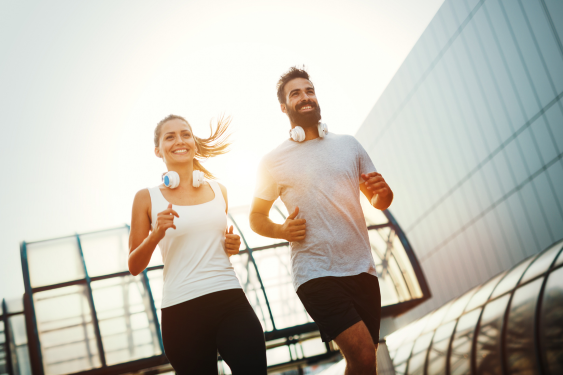
How do you exercise safely in summer heat?
The goal is not to stop moving — it’s to adjust how, when, and how intensely you move. The American College of Sports Medicine (ACSM) recommends gradual heat acclimatization over 10–14 days before exercising at full intensity in hot conditions. Key adjustments include checking the heat index (not just the temperature), hydrating on a schedule rather than by thirst, timing workouts for early morning or evening, and knowing the difference between heat exhaustion (stop and cool down) and heat stroke (call 911).
Working Out in the Heat: How to Stay Active Without Getting Hurt
Summer heat is not a reason to stop moving. It’s a reason to move differently.
Your body can exercise safely in warm conditions. But it needs time to adapt, consistent hydration, and a few adjustments to timing and intensity that separate a productive workout from a dangerous one. The cases of exertional heat illness that become serious share a pattern: too much intensity, too soon, in conditions the body wasn’t ready for.
The American College of Sports Medicine identifies exertional heat illness as one of the leading preventable causes of death and disability among athletes and active individuals during hot weather (ACSM, 2023). Here’s how to keep going safely.
Acclimatize First — The Step Most People Skip
This is the single highest-evidence recommendation for exercising in heat, and it’s the one most people ignore.
The body needs approximately 10 to 14 days of progressive heat exposure to fully acclimatize to exercising in hot conditions (ACSM). During that adaptation period, the body makes measurable physiological changes: it increases sweat rate and begins sweating earlier, stabilizes cardiovascular response, lowers resting core temperature, and improves its ability to dissipate heat. These adaptations meaningfully reduce the risk of exertional heat illness.
ACSM’s consensus statement notes that approximately 75–80% of heat acclimatization occurs within the first 7–10 days of regular heat exposure. Full adaptation takes closer to two weeks.
What this means practically:
- Don’t go from air conditioning to a hard outdoor run on the first hot day of summer. Start at 50–60% of your usual intensity and duration.
- Increase the duration and intensity of outdoor exercise gradually over 10–14 days.
- Acclimatization decays within 1–2 weeks of no heat exposure. After a vacation, illness, or a stretch of indoor-only workouts, your heat adaptation has diminished. Rebuild gradually.
The simple rule: the first hot week of summer is not the week to set a personal record. It’s the week to build the foundation that lets you perform safely for the rest of the season.
Time It Right — Check the Heat Index, Not Just the Temperature
Temperature alone doesn’t tell you how hard your body has to work to cool itself. Humidity determines how effectively sweat evaporates — which is the body’s primary cooling mechanism during exercise. The heat index combines temperature and humidity to reflect what conditions actually feel like.
85°F at 30% humidity is a manageable workout. 85°F at 80% humidity is a fundamentally different — and more dangerous — environment, because sweat can’t evaporate efficiently.
| Heat Index | Exercise Guidance (CDC/NWS) |
| Below 80°F | Standard precautions. Hydrate normally. Acclimatization still matters if early in the season. |
| 80–90°F | Increased caution. Hydrate more frequently. Consider reducing intensity and taking more frequent rest breaks. |
| 90–103°F | High risk. Reduce duration and intensity significantly. Increase rest breaks. Consider moving the workout indoors or to early morning/evening. |
| Above 103°F | Extreme risk. Strongly consider indoor alternatives. Outdoor exercise at high intensity is inadvisable for most people at this level. |
Timing matters: early morning (before 9 a.m.) and evening (after 6 p.m.) are when temperatures and UV exposure are lowest. The 10 a.m.–4 p.m. window is peak heat and peak UV — exercising during those hours requires the most adjustment.
Check the heat index before heading out, not just the temperature. Most weather apps display both. On humid days, the gap between the two can be 10–15°F — the difference between a safe workout and a risky one.
Hydrate on a Schedule — Don’t Wait for Thirst
Thirst is a lagging indicator. By the time you feel thirsty during exercise in heat, you’re already partially dehydrated — and dehydration impairs both performance and the body’s ability to cool itself.
ACSM’s general hydration framework for exercise in heat:
- Before: Hydrate in the 2–4 hours before exercise. Approximately 16–20 oz of water.
- During: Sip consistently. Approximately 4–8 oz every 15–20 minutes, adjusted for intensity, conditions, and individual sweat rate.
- After: Rehydrate to replace what was lost. A general guideline is 16–24 oz of fluid for every pound of body weight lost during the session.
Water is the primary recommendation for exercise sessions under 60 minutes. For longer or more intense sessions in heat, a drink with electrolytes may help replace sodium lost through sweat. Avoid alcohol before or during exercise in heat — it accelerates dehydration.
Dress for Cooling — and Don’t Skip the Sunscreen
- Light-colored, loose-fitting, moisture-wicking clothing helps the body dissipate heat. Dark, tight, or cotton-heavy clothing traps heat and moisture against the skin.
- A ventilated hat provides shade without trapping heat against the scalp. Avoid non-breathable caps during extended outdoor exercise.
- Sunscreen matters for cooling, not just skin protection. Sunburned skin impairs the body’s ability to sweat and dissipate heat (CDC, AAD). A sunburn doesn’t just damage the skin — it reduces cooling efficiency. The SPF you applied before your run is protecting both your skin and your thermoregulation.
(For the full guide to UV and skin protection, see our summer sun damage prevention guide.)
Know the Line — When to Stop and When to Call 911
Two thresholds. Knowing the difference between them is one of the most practical safety skills for summer exercise.
Heat Exhaustion — Stop and Cool Down
Recognized signs: heavy sweating, fatigue, nausea, headache, lightheadedness, muscle cramps, cool or clammy skin.
Response: stop exercising. Move to shade or air conditioning. Sip cool water. Rest. Apply cool cloths. Most people recover with a break and fluids.
Heat Stroke — Call 911
Recognized signs: confusion, disorientation, vomiting, fainting, hot and red skin that may be dry (sweating may have stopped), rapid pounding pulse.
Response: call 911 immediately. This is a medical emergency. Move the person to a cool area. Begin lowering body temperature with water or cold cloths while waiting for emergency services.
The distinction: sweating and exhausted means stop and cool down. Confused and no longer sweating means stroke — and that’s a 911 call.
(For the full comparison including workplace context and response steps, see our guide to heat exhaustion vs. heat stroke at work.)
Extra Caution — Medications and Chronic Conditions
Certain medications can affect how your body handles heat during exercise:
- Diuretics increase dehydration risk
- Beta-blockers may limit the heart rate response your body uses for cooling
- Antihistamines can reduce sweating
- Stimulants can increase internal heat production and mask fatigue signals
People managing cardiovascular conditions, diabetes, respiratory conditions, or existing sleep disorders also face elevated risk during exercise in heat. This doesn’t mean stopping — it means having a conversation with your clinician about what adjustments make hot-weather activity safe for your specific situation.
(For the detailed guide to heat, medications, and chronic conditions, see our examination of summer heat and chronic conditions.)
Use a Buddy — You’ll See It in Someone Else First
Heat illness often becomes visible to others before the person experiencing it recognizes it in themselves. Confusion — one of the hallmark signs of heat stroke — by definition impairs self-awareness. The person who needs help most is often the one least equipped to ask for it.
- Exercise with a partner during hot weather when possible
- If exercising alone, tell someone your route and expected return time
- Watch for signs in your workout partner: stumbling, confusion, stopping mid-stride, unusual irritability, slurred speech. These are not signs of being “out of shape.” They are signs to stop, cool down, and seek help.
This is the same principle as the buddy system in workplace heat safety — except here, you’re choosing to be in the heat rather than working in it. The logic is the same: two sets of eyes catch what one set misses.
The Bottom Line
Summer heat does not have to stop you from exercising. It requires you to adjust. Acclimatize over 10–14 days before going full intensity. Check the heat index, not just the temperature. Hydrate on a schedule, not by thirst. Wear light clothing and sunscreen — because a sunburn impairs cooling, not just comfort. Know the difference between exhaustion (stop and cool) and stroke (call 911). And bring a buddy, because you’ll spot trouble in someone else before you feel it in yourself.
The goal was never to stop moving. It’s to keep moving — all summer, safely.
Frequently Asked Questions
How long does it take to acclimatize to exercising in heat?
ACSM recommends 10–14 days of progressive heat exposure for full acclimatization. Approximately 75–80% of adaptation occurs within the first 7–10 days. Start at 50–60% of your usual intensity and duration, and build up gradually. Acclimatization decays within 1–2 weeks without heat exposure, so rebuild after time away.
What heat index is too high for outdoor exercise?
At a heat index of 90–103°F, consider significantly reducing duration and intensity or moving indoors. Above 103°F, indoor alternatives are strongly recommended for most people. Even at 80–90°F, increase hydration frequency and take more rest breaks. Check the heat index, not just the temperature — humidity changes everything.
How much water should you drink when exercising in heat?
ACSM’s general framework: 16–20 oz in the 2–4 hours before exercise, 4–8 oz every 15–20 minutes during exercise, and 16–24 oz per pound of body weight lost afterward. These are starting guidelines — individual needs vary based on sweat rate, intensity, and conditions. Don’t wait for thirst.
Does sunburn affect exercise performance in heat?
Yes. Sunburned skin impairs the body’s ability to sweat and dissipate heat (CDC, AAD). This means a sunburn doesn’t just cause discomfort — it reduces your body’s cooling efficiency during exercise, increasing the risk of overheating. Sunscreen before outdoor exercise is a thermoregulation tool, not just skin protection.
When should you stop exercising in the heat?
Stop if you experience heavy sweating, fatigue, nausea, headache, lightheadedness, or muscle cramps — these are signs of heat exhaustion. Move to shade, sip water, and rest. If confusion, vomiting, fainting, or hot dry skin develop, call 911 — these are signs of heat stroke, which is a medical emergency.
Key Takeaways
- Acclimatize first: the body needs 10–14 days of gradual heat exposure to adapt to exercising in hot conditions (ACSM). Don’t go from air conditioning to full intensity on day one.
- Check the heat index, not just the temperature. Humidity determines how effectively sweat evaporates. Above 90°F heat index, reduce intensity significantly or move indoors.
- Hydrate on a schedule: before (16–20 oz), during (4–8 oz every 15–20 minutes), and after (16–24 oz per pound lost). Thirst is a lagging indicator — don’t rely on it.
- Sunburn impairs cooling. Sunburned skin can’t sweat as effectively, reducing the body’s ability to regulate temperature during exercise. Sunscreen is a performance tool.
- Know the line: sweating and exhausted = stop and cool down. Confused and not sweating = call 911. The distinction is the difference between a rest break and an emergency.
- Use a buddy. Heat illness often becomes visible in someone else before they recognize it themselves. Two sets of eyes catch what one set misses.
Published by LifeX Research Corp. LifeX Research Corporation is a health data research organization that analyzes real-world health trends and population health patterns. The organization operates in connection with an ERISA-governed, self-funded employee benefit plan and does not sell, market, broker, or underwrite health insurance.